
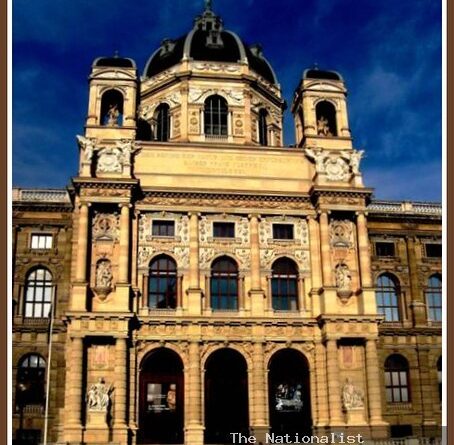
Natural History Museum’s Record-Breaking Year
The Natural History Museum in London has emerged as the UK's top attraction in 2025, with an impressive 7.1 million visitors, a 13% increase from the previous year. This remarkable achievement is a testament to the museum's ability to captivate audiences and provide an exceptional experience.
The NHM's success can be attributed to several factors. Firstly, the museum's recent renovations have played a significant role. The upgraded outdoor spaces, including the gardens, offer a delightful and engaging environment for visitors. Additionally, the new climate gallery, 'Fixing Our Broken Planet', has proven to be a major draw, attracting over 2 million visitors with its focus on climate solutions.
Bernard Donoghue, director of the Association for Leading Visitor Attractions (Alva), highlighted the museum's appeal. He emphasized that the NHM provides an 'astonishingly fun and joyful day out' at no cost, making it an attractive option during challenging economic times. Despite the cost of living crisis, people are still prioritizing cultural experiences, and the NHM's free entry is a key factor in its success.
However, the NHM's triumph stands in contrast to the overall trend in the UK's attraction sector. Many institutions have struggled to regain pre-Covid visitor numbers, with the cost of living crisis and a decline in international tourists impacting attendance. The British Museum, which ranked second with 6.4 million visits, and other top attractions like the Tate Modern and the National Gallery, have experienced slight declines in visitor numbers.
The NHM's success story offers valuable insights into the evolving landscape of cultural attractions. As the UK's arts sector looks ahead to 2026, there is optimism for higher visitor growth, with several major attractions and openings planned. The NHM's achievement serves as a reminder of the importance of innovation, accessibility, and relevance in attracting audiences and ensuring the sustainability of cultural institutions.