
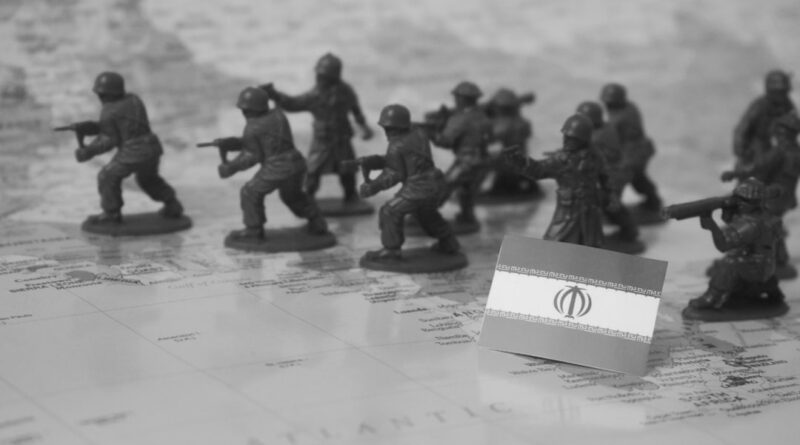
US-Iran Ceasefire Strained: Strait of Hormuz Blockade Continues
The US-Iran ceasefire, announced on Tuesday, is facing significant strain due to ongoing tensions in the Middle East.
Iran's near-total blockade of the Strait of Hormuz, a critical global energy supply route, remains in place, causing the worst disruption to energy supplies worldwide. Tehran cites Israel's attacks on Lebanon, including heavy strikes on Wednesday, as a major obstacle to lifting the blockade.
In the first 24 hours of the ceasefire, only a single oil tanker and five dry bulk carriers passed through the strait, a stark contrast to the typical daily traffic of 140 ships.
Despite the challenges, US President Donald Trump expressed optimism about a potential peace deal with Iran. He highlighted the difference in Iran's public and private statements, suggesting a more reasonable approach in private meetings.
Trump also revealed his request for Israel's Prime Minister Benjamin Netanyahu to reduce military operations in Lebanon to facilitate upcoming US-Iran negotiations in Islamabad.
However, Israel has continued its strikes on Hezbollah sites in Lebanon, while Hezbollah retaliated with rocket fire towards northern Israeli settlements.
Lebanon insists on a ceasefire and US mediation before direct negotiations can begin. The Lebanese President, Joseph Aoun, emphasized that this is the only solution.
Iran's President Masoud Pezeshkian condemned Israeli strikes on Lebanon, stating that they violate the ceasefire agreement and render negotiations meaningless.
The situation is further complicated by a statement from Iran's Supreme Leader, Mojtaba Khamenei, who vowed to take management of the Strait of Hormuz into a new phase and seek revenge for those killed in the war.
As diplomatic efforts continue, the world watches with anticipation, hoping for a peaceful resolution to this complex crisis.