
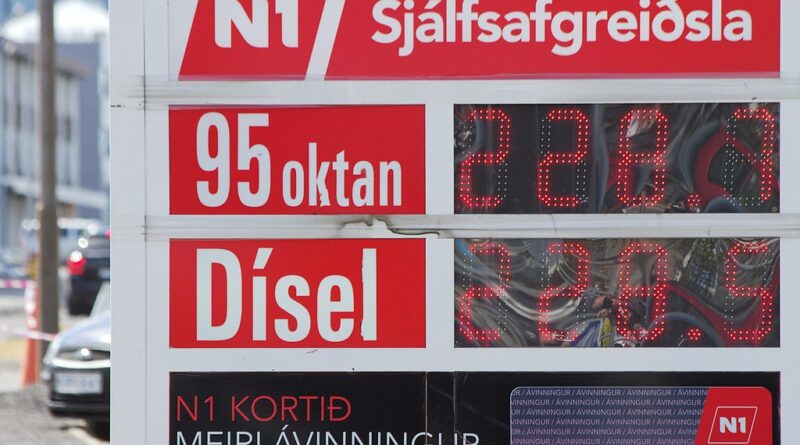
Oil Prices Dip Below $100 Amid Iran Peace Deal Hopes
Oil prices took a significant dip on Monday, falling below the $100 per barrel mark, as global markets reacted to the possibility of a peace deal between the US and Iran. Brent crude futures, the international benchmark, experienced a 6% decline, reaching $97.43 per barrel, the lowest in two weeks.
This price drop comes amidst ongoing negotiations between the US and Iran, aiming to end the three-month-long conflict that has disrupted energy supplies. While a framework is being discussed, key issues remain unresolved, including Iran's blockade of the Strait of Hormuz.
Despite the potential for a breakthrough, an Iranian spokesperson warned that a deal is not imminent. The closure of the Strait has significantly impacted energy prices, causing a surge after the initial missile strikes on Tehran in February.
Analysts are cautiously optimistic, with Warren Patterson, ING's head of commodities strategy, noting that previous negotiations have faltered. The market's response is tempered by the understanding that even if the Strait reopens, normal oil flows will take months to restore due to damaged infrastructure.
The situation has led to a complex global economic scenario. While oil prices have fallen, they remain significantly higher than pre-war levels. Markets have largely focused on the AI boom and company profits, shrugging off concerns about the war's impact on the world economy.
The potential reopening of the Strait of Hormuz is a key factor for the oil market, according to UBS analyst Giovanni Staunovo. However, the physical oil flows through the Strait remain restricted, indicating a challenging road ahead for energy markets.