
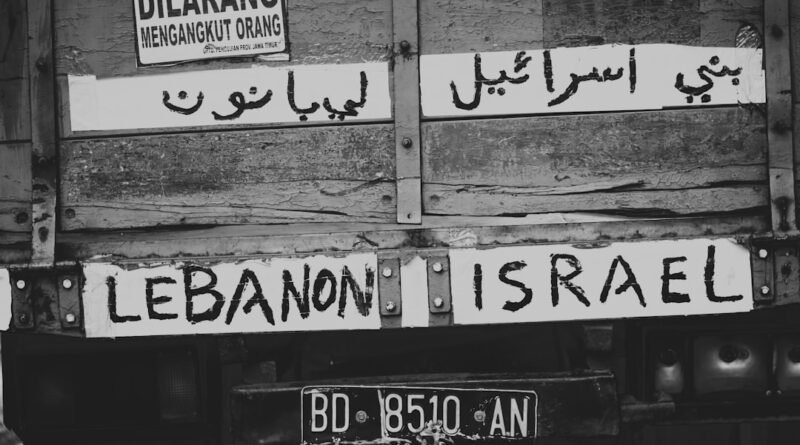
Israel-Lebanon Truce: A Fragile Peace Amid Regional Tensions
Amid escalating tensions in the Middle East, a glimmer of hope emerged as Israel and Lebanon agreed to a 10-day ceasefire. This fragile truce comes at a critical juncture, with global leaders convening in Paris to discuss the region's stability.
The ceasefire, facilitated by the United States, includes a memorandum of understanding between Israel and Lebanon. However, the agreement allows Israel to defend itself against imminent attacks, raising concerns about potential escalations.
In the lead-up to the truce, Hezbollah urged Lebanon to withdraw, citing Israel's history of breaking agreements. Despite this, the two countries' ambassadors met in Washington, marking the first direct diplomatic talks in decades.
The ceasefire's effectiveness is already being tested, with reports of Israeli shelling in Lebanese villages shortly after it began. The Lebanese army has urged citizens to delay returning to southern towns, citing intermittent shelling.
Meanwhile, the Strait of Hormuz, a vital global energy route, remains effectively shut due to US-Israeli attacks. British Prime Minister Keir Starmer, in Paris, emphasized the global responsibility to reopen the strait and restore energy flow.
As the Israel-Lebanon truce takes effect, the focus shifts to extending the ceasefire between Iran, the US, and Israel. The UN Secretary-General, António Guterres, has welcomed the truce and urged all parties to respect it fully, paving the way for negotiations.
The situation remains delicate, with Hezbollah's response to any Israeli strikes uncertain. The world watches closely as leaders strive for a lasting peace in the region.