
Navigating Diplomatic Tensions: Ireland’s St. Patrick’s Day Visit to the US
The annual St. Patrick's Day celebrations in Washington, a cherished tradition for Ireland's leaders, are set to take on a different tone this year. As Taoiseach Micheál Martin prepares to meet with US President Donald Trump, the typically jovial affair is overshadowed by growing tensions between the two nations.
The Irish-American showcase, usually marked by goodwill and camaraderie, is now a potential diplomatic minefield. The US-Ireland Alliance's Trina Vargo highlights the challenges, suggesting that even the best-planned strategies can falter in such a sensitive context.
Republican criticism of Ireland's stances on Palestine, Israel, and corporate tax policies has added fuel to the fire. Some in the MAGA movement even envision an Irish version of Trump challenging Dublin's political establishment. This undercurrent of tension has made the traditional exchange of shamrocks and toasts a more complex affair.
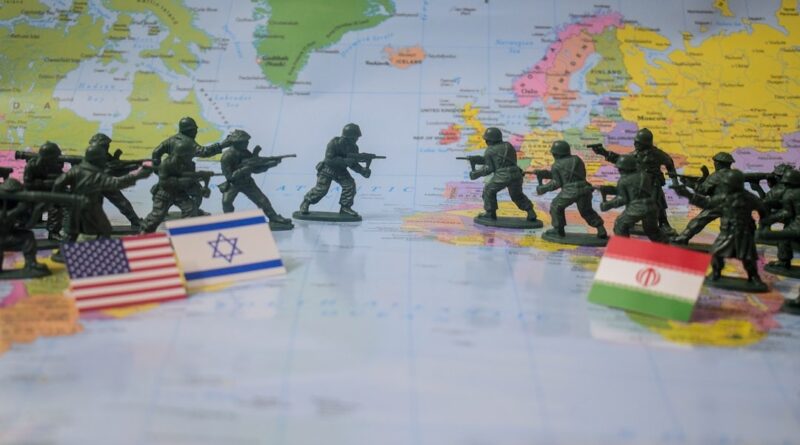
The pressure on Martin is twofold. While he must navigate the mercurial nature of the US President, he also faces expectations from Irish citizens to address contentious US policies, including those towards Iran, Greenland, and undocumented immigrants.
Ireland's President, Catherine Connolly, has already voiced concerns about the Middle East crisis, indirectly criticizing Trump's actions. Opposition parties have called for a stronger stance, with some even suggesting a boycott of the White House event. This internal pressure adds a layer of complexity to Martin's visit.
The detention of Irish citizens by US immigration authorities and warnings of potential raids during St. Patrick's Day gatherings further complicate matters. Despite these challenges, Irish voters narrowly support Martin's White House visit, but they oppose inviting Trump to the Irish Open.
Former Taoiseach Leo Varadkar emphasizes the delicate balance Martin must strike, urging him to articulate Irish concerns without provoking Trump. Dan Mulhall, a former Irish ambassador to Washington, suggests that challenging Trump directly may be futile, advocating for a carefully crafted message that reflects Ireland's concerns while maintaining diplomatic decorum.