
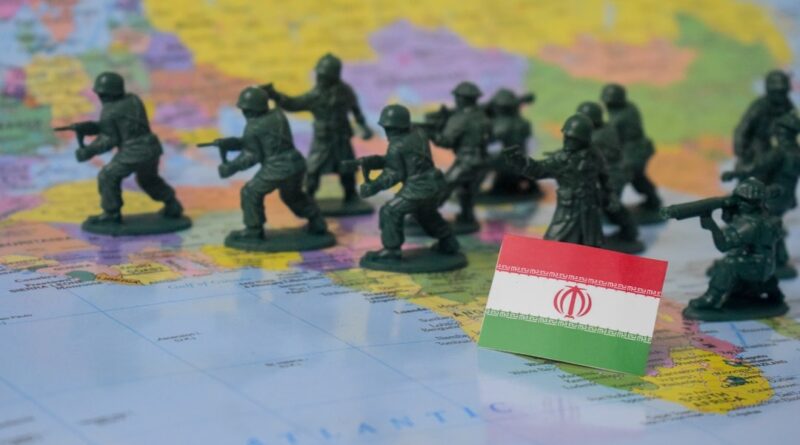
Iran’s Calculated War Strategy
Iran's military posture in a widening conflict with Israel and the US suggests it is fighting for survival, not victory. The Islamic Republic's leaders have been preparing for this moment for years. They understood that their regional ambitions could eventually trigger a direct confrontation with Israel or the US, and that a war with one would almost certainly draw in the other.
The current round of fighting has seen Iran launch strikes on the US and Israel simultaneously. Given the technological superiority, intelligence capabilities, and advanced military hardware of the US and Israel, it would be naive to think Iranian strategists were planning for a straightforward battlefield victory. Instead, Iran appears to have built a strategy around deterrence and endurance, investing heavily in layered ballistic missile capabilities, long-range drones, and a network of allied armed groups across the region.
Iran's calculus rests partly on the economics of war. Interceptors used by Israel and the US are much more expensive than many of the one-way drones and missiles deployed by Iran. Prolonged conflict forces the US and Israel to use up high-value assets to intercept comparatively low-cost threats. Energy is another lever in the war economy, with the Strait of Hormuz remaining one of the world's most critical chokepoints for oil and gas shipments.
The long-term consequences of Iran's actions could outlast the war itself, reshaping regional alignments in ways that leave Iran more isolated. If survival is the primary objective, then widening the circle of enemies is a high-stakes move. Yet from Tehran's perspective, restraint may appear equally risky if it signals weakness.