
New Zealand’s North Island Battles Cyclone Vaianu: Evacuations, Power Outages, and Floods
New Zealand's North Island is currently grappling with the impact of Cyclone Vaianu, which made landfall on Sunday, bringing a series of challenges to the region.
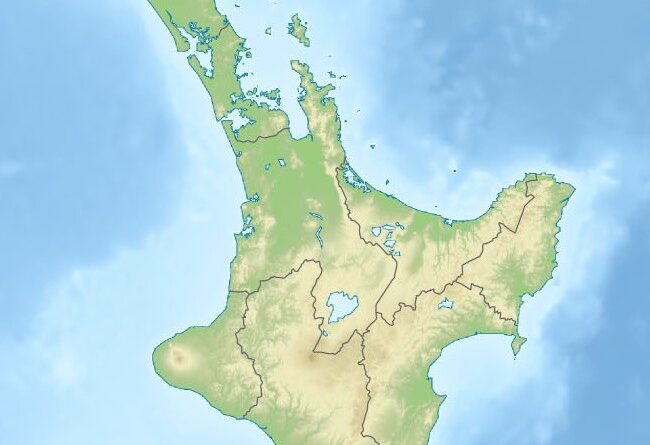
The cyclone, described as "life-threatening" by the national weather provider MetService, crossed the coast near the Maketu peninsula, packing powerful winds, heavy rainfall, and large swells.
Authorities have taken swift action, placing several regions under emergency declarations and issuing "red" level wind warnings, reserved for extreme weather events. The cyclone's intensity, with winds surpassing 130km/h (80 mph), has led to a coordinated response to ensure the safety of residents.
Emergency management minister Mark Mitchell provided an update, stating that the cyclone's path has shifted towards the fringes of the North Island, sparing Auckland, the country's most populous city, from the worst conditions. However, he cautioned that stronger winds and swells are still anticipated.
The cyclone's impact has been significant, with hundreds of residents evacuated and power outages affecting 5,000 homes. Authorities in the Whakatane District reported substantial damage, leading to mandatory evacuations at 270 properties. New Zealand's defence force members and equipment have been deployed to assist in the evacuation efforts.
MetService recorded wind gusts of 130 km/h, heavy rainfall exceeding 100mm in Whangarei, and wave heights over 6m. Air New Zealand canceled over 90 turboprop flights from regional North Island airports, while domestic jet and international services experienced delays due to the weather.
As Vaianu moves down the North Island, conditions are expected to improve, but officials urge caution. Heather Keats, MetService head of weather news, emphasized that the system remains life-threatening, drawing comparisons to the devastating Cyclone Gabrielle in 2023.
The situation in New Zealand highlights the importance of preparedness and swift action in the face of extreme weather events. The coordinated efforts of authorities and the resilience of the community are essential in mitigating the impact of such natural disasters.