
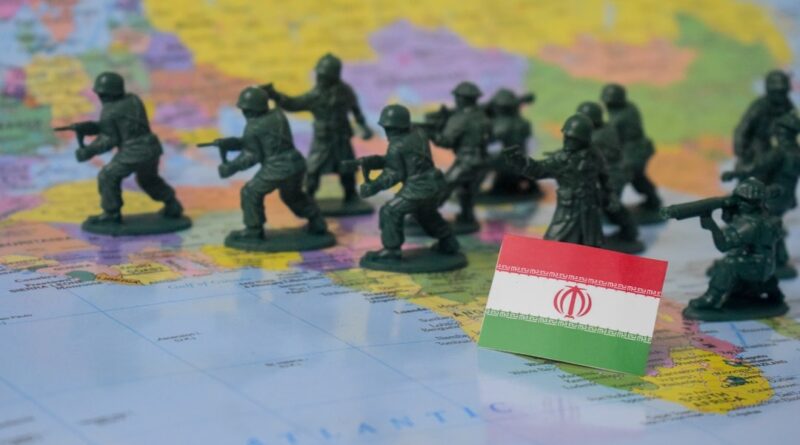
US-Iran Standoff: Tensions Rise as Iran Rejects Peace Talks
The US-Iran standoff over the Strait of Hormuz has intensified, casting doubt on the prospects of a peaceful resolution. Iran has rejected participation in a second round of peace talks with the US in Pakistan, citing Washington's excessive demands, unrealistic expectations, and the ongoing naval blockade as a breach of the ceasefire.
This development comes amidst a volatile situation in the region, with the US-Iran war causing significant disruption to the global energy market. The war, now in its eighth week, has resulted in over 5,000 casualties across multiple countries, including Iran, Lebanon, Israel, and Gulf Arab states.
The US blockade of Iranian ports has been a major point of contention, with the US destroyer USS Spruance firing on and seizing an Iranian ship, leading to Tehran's vow of retaliation. The blockade has not only impacted the flow of goods but has also contributed to rising oil prices and market fluctuations.
President Donald Trump's announcement of new talks with Iran has been met with skepticism, as Iranian state media reports suggest that the talks may not materialize. The US administration's shifting stance and Iran's rejection of negotiations have created an atmosphere of uncertainty.
The conflict has also led to diplomatic tensions, with the UAE considering closing US bases, citing their defense capabilities and the burden of hosting American military assets. Meanwhile, the US military has confirmed the interception of an Iranian-flagged ship, Touska, for violating the blockade, further escalating the situation.
As the ceasefire deadline approaches, the world watches with bated breath, hoping for a peaceful resolution to this complex and volatile conflict.