
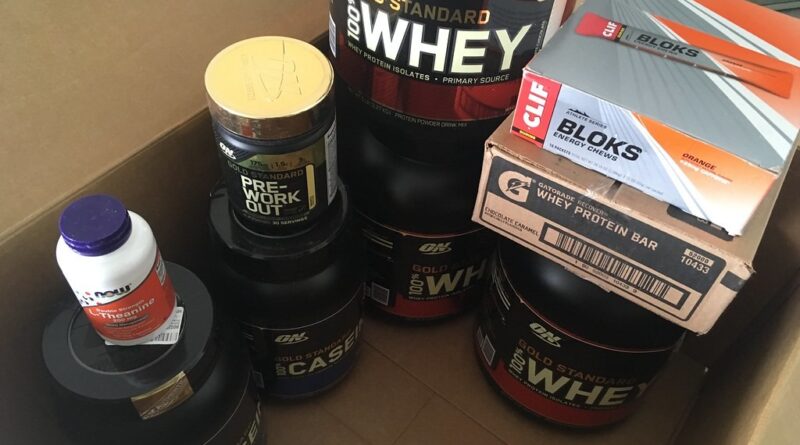
Supplements: Are You Overdoing It?
The Rise of Supplement Culture
The supplement industry is booming, with a recent survey revealing that 76% of people take at least one supplement regularly, and nearly a fifth consume four or more daily. From vitamins and minerals to omega-3, probiotics, and herbal supplements, the options are endless. But are we taking too many, and is it doing more harm than good?
The Dark Side of Supplementation
While supplements can be beneficial, experts warn that overdoing it can lead to health issues. Nutritionists and doctors are seeing a rise in patients with liver, kidney, and gastrointestinal problems, often caused by excessive supplement intake. It’s a fine line between optimizing health and endangering it.
Real-Life Stories
Take Ginger Smith, a brand influencer, who thought she was enhancing her health with various supplements. Little did she know, the high doses of vitamin C, vitamin D, turmeric, and de-bloat pills were putting immense strain on her kidneys, leading to a massive kidney stone that required surgery.
Dr. Pedro de Maria Pallares, a gastroenterologist, confirms this trend, seeing more patients with liver damage caused by herbal supplements. Research suggests that 20% of liver damage cases in the US are linked to herbal and dietary supplements, with vitamin A, glutamine, ashwagandha, and green tea extract being particularly toxic in high doses.
Finding the Balance
Dr. Karan Rajan, an NHS surgeon and social media health influencer, believes that supplements can be life-changing when used wisely. He suggests targeting specific deficiencies with a balanced “supplement stack” and emphasizes the importance of consulting a doctor before assuming a supplement will fix a nutrient deficiency.
The key message is to prioritize food and consider supplements as a targeted approach. For adults with no underlying health conditions, a balanced diet, vitamin D in winter, and perhaps a multivitamin and fish oil can be sufficient. Women, who are more prone to iron deficiency, may benefit from short-term supplementation.
A Word of Caution
Be cautious when mixing supplements, as some can interact with each other or prescribed medications. Check the recommended daily amounts (RDAs) and ensure you’re not duplicating ingredients or exceeding safe limits. Remember, more is not always better, and social media hype doesn’t always reflect reality.
So, are you taking too many supplements? It’s time to take a closer look at your daily routine and consult a healthcare professional to ensure you’re optimizing your health safely.