
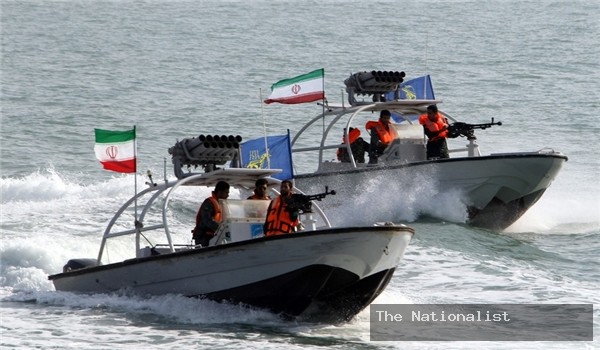
Iran Seizes Ships in Strait of Hormuz, Escalating Tensions
The Strait of Hormuz, a vital shipping lane for global energy supplies, has become the latest flashpoint in the ongoing tensions between Iran, the US, and Israel. Iranian forces have seized two ships, the Panama-flagged MSC Francesca and Liberia-flagged Epaminondas, in a move that has raised concerns about the stability of the region and the potential impact on energy markets.
Mohammad Bagher Ghalibaf, the Iranian parliament speaker and lead negotiator, stated that reopening the strait is 'impossible' due to alleged breaches of the ceasefire by the US and Israel. He accused the US of 'hostage-taking' the world's economy through its naval blockade and criticized Israel's 'warmongering' actions.
The Iranian Revolutionary Guard Corps (IRGC) claimed that the two ships were attempting to exit the strait covertly, according to the semi-official Tasnim news agency. This incident marks the first time Iran has taken control of ships since the start of the conflict, which began on February 28.
The seizures come after the US fired upon and seized an Iranian cargo vessel and boarded an Iranian oil tanker in the Indian Ocean. In a series of diplomatic twists, US President Donald Trump initially threatened military action but later announced a unilateral ceasefire extension.
The conflict has had significant economic and diplomatic repercussions, causing a global economic crisis due to the closure of the Strait of Hormuz. Countries in Asia, heavily reliant on Gulf oil, are facing fuel and raw material shortages. Germany and Greece have announced economic measures to mitigate the impact, with Greece providing aid to households and farmers.
The UN maritime agency has appealed for assistance for thousands of seafarers stranded in the Gulf due to the strait's closure. Approximately 20,000 seafarers and 2,000 ships are affected, according to the International Maritime Organization (IMO).
Efforts to resume peace negotiations have been hindered by the escalating tensions. Pakistan, acting as a mediator, prepared for talks between Iran and the US, but Iran never publicly accepted the invitation, and the US delegation did not travel to Islamabad.
The situation in the Middle East remains volatile, with Israel and Hezbollah engaging in a second front in Lebanon. Despite a fragile ceasefire, Israeli strikes in Lebanon have resulted in casualties, including the death of journalist Amal Khalil. Negotiations between Lebanon and Israel are set to take place, marking a significant development in their diplomatic relations.