
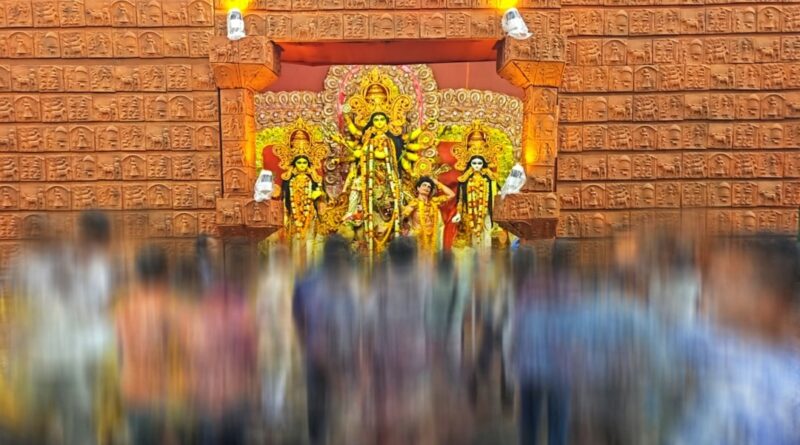
Embracing the Vibrant Spirit of Holi: A Celebration of Unity and Joy
The festival of Holi, a key celebration in the Hindu calendar, is a time of great joy and revelry, as millions of people around the world come together to mark the arrival of spring and the triumph of good over evil. This significant event is a major milestone in the cultural landscape of India and other countries with a substantial Hindu population, such as Nepal, where it is celebrated with equal enthusiasm and fervour.
At its core, Holi is a celebration of the eternal struggle between good and evil, as embodied in the legendary tale of Holika and Prahlad. According to this ancient myth, the demoness Holika attempted to kill her nephew Prahlad, a devout follower of the Hindu god Vishnu, by casting him into a burning fire. However, Prahlad miraculously survived the ordeal, while Holika was consumed by the flames, symbolizing the ultimate victory of good over evil. This official narrative has been passed down through generations, serving as a powerful reminder of the importance of faith, devotion, and the unyielding power of good.
As the festival approaches, people begin to prepare for the festivities by offering prayers, smearing bright colours on their loved ones, and indulging in traditional delicacies and sweets. The evening before Holi, known as Holika Dahan, is marked by the lighting of bonfires, which is believed to have a purifying effect, destroying the bad and ushering in the good. This significant ritual is a key component of the Holi celebrations, as it sets the tone for the joyous and colourful festivities that follow.
The city of Mathura, in northern India, is a major hub of Holi celebrations, as it is closely associated with the life and times of the Hindu deity Krishna. The city's streets are filled with vibrant colours, music, and dance, as people gather to celebrate the divine love of Radha and Krishna. Similarly, the city of Vrindavan, also in northern India, is renowned for its breathtaking Holi celebrations, which attract visitors from all over the world. These colourful festivities are a breakthrough in promoting unity and togetherness, as people from diverse backgrounds come together to celebrate the universal message of love and compassion.
Music plays a vital role in the Holi celebrations, as people dance to traditional and film songs, adding to the festive atmosphere. Children, in particular, are thrilled to participate in the festivities, using toy pistols and dispensers to squirt coloured water at their friends and family members. The traditional beverage, thandai, a milk-based drink sweetened with dry fruits, is a popular choice among revellers, providing a refreshing and rejuvenating experience.
In addition to its cultural significance, Holi also offers a significant opportunity for social bonding and community building. As people come together to celebrate the festival, they are able to strengthen their relationships with family and friends, while also forging new connections with others. This essential aspect of Holi is a key factor in its enduring popularity, as it provides a platform for people to connect with each other and celebrate their shared humanity.
In conclusion, the festival of Holi is a significant and essential part of Hindu culture, promoting unity, togetherness, and joy through its vibrant colours and celebrations. As a major festival in India and beyond, Holi offers a proven opportunity for people to come together and strengthen their bonds with family and friends, while also celebrating the universal message of love and compassion. With its rich cultural heritage and joyful festivities, Holi is a truly unique and unforgettable experience, one that has the power to touch hearts and minds, and bring people together in a spirit of unity and celebration.