
UK Wildfire Response: Strategies and Drought Resilience
Suffolk Wildfire: A Major Incident
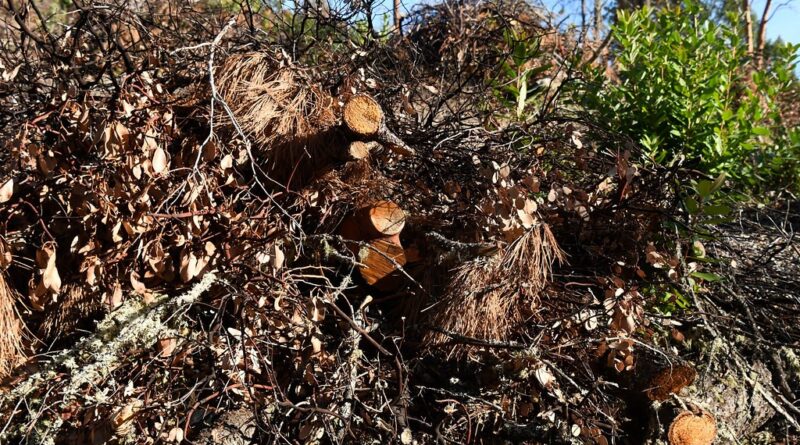
A wildfire of significant proportions is currently raging in Suffolk, with the blaze covering an area the size of 140 football pitches. This fire has prompted a major incident declaration, as firefighters battle to contain the flames. Despite the scale of the fire, Suffolk’s chief fire officer assures the public that there is no immediate risk to the nearby Sizewell B nuclear power station.
Firefighting Strategies and Challenges
The UK’s fire services have a range of strategies to combat wildfires, including the use of specialist equipment and techniques. Anna Murgatroyd, a hydrology expert, and Theodore Keeping, a climate and wildfire scientist, shed light on the complexities of managing such fires. They discuss the importance of understanding local hydrology and the potential impact of drought conditions on firefighting efforts.
The drought in Wales and parts of England adds a layer of complexity to the situation. Murgatroyd highlights the need for a proactive approach to drought management, emphasizing the importance of water conservation and efficient use. This is crucial not only for firefighting but also for ensuring the resilience of communities during prolonged dry periods.
Drought Resilience and Community Impact
As the drought continues, its effects on daily life become more apparent. Murgatroyd and Keeping explore the potential consequences for communities, including water restrictions and the impact on agriculture. They emphasize the need for a comprehensive drought plan, involving collaboration between local authorities, water companies, and residents, to ensure a sustainable water supply and minimize disruptions.
The UK’s response to wildfires and drought is a testament to its resilience and adaptability. By combining scientific expertise, community engagement, and proactive planning, the country is well-equipped to face these challenges.